Andreas P. Mentzelopoulos
Quantitative Research · Deep Learning · MIT PhD |

Andreas Mentzelopoulos, PhD
Room 173, NW98, MIT
12 Emily Street
Cambridge, MA, 02139, USA
I am a quantitative researcher working on equity statistical arbitrage trading and research at Cubist Systematic Strategies (Point72).
Before Wall Street, I worked at Wayfair on the Measurement & Attribution team, where I developed multi-touch attribution models via explainable deep learning to quantify the impact of marketing spend. My work supported data-driven allocation of over $1B in annual marketing spend.
I am the co-founder and lead researcher of LOBSTgER, a project that develops latent diffusion models to generate and enhance high-resolution underwater imagery. In collaboration with photographer Keith Ellenbogen, LOBSTgER combines AI and ocean photography to raise awareness of marine environments while advancing generative modeling research.
I hold a PhD from MIT, where my research focused on applied deep learning. I developed the Firstling Digital Twin, pioneering the use of transformers (VIVformer) and diffusion models (Virtual Towing Tank, publication under development) to forecast and simulate vortex-induced vibrations of flexible structures.
Outside of work, I’m a violinist and spent several years performing with the MIT Symphony Orchestra. I also enjoy hiking, scuba diving, cooking, and Broadway theatre.
news
| Jun 01, 2026 | I have joined Cubist Systematic Strategies as a Quantitative Researcher! |
|---|---|
| Feb 15, 2026 | I have published LOBSTgER-enhance and open-sourced (for educational and research purposes) the code here. |
selected publications
-
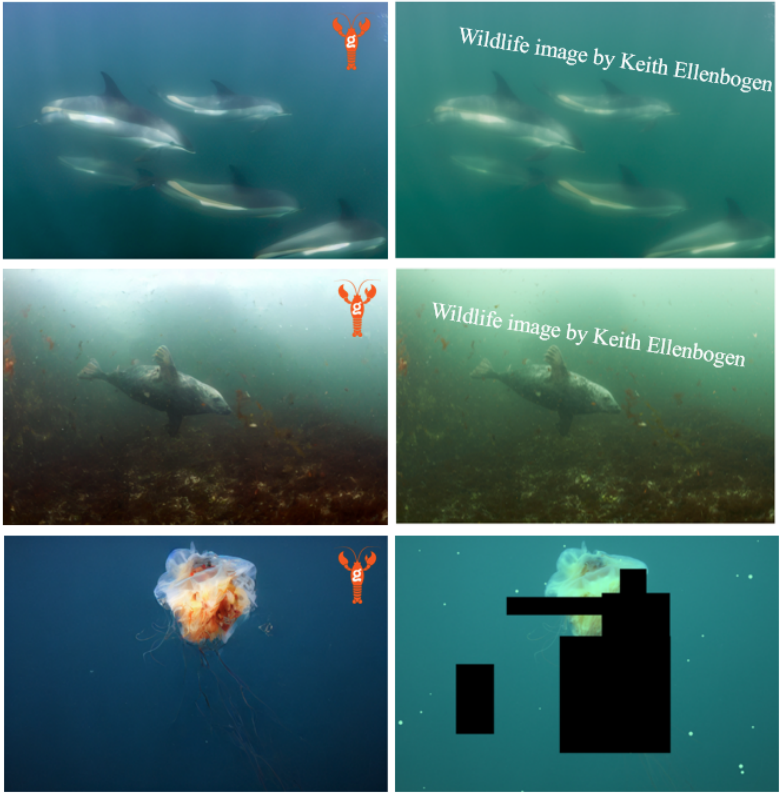 LOBSTgER-enhance: an underwater image enhancement pipelinearXiv preprint arXiv:2602.05163, 2026
 -
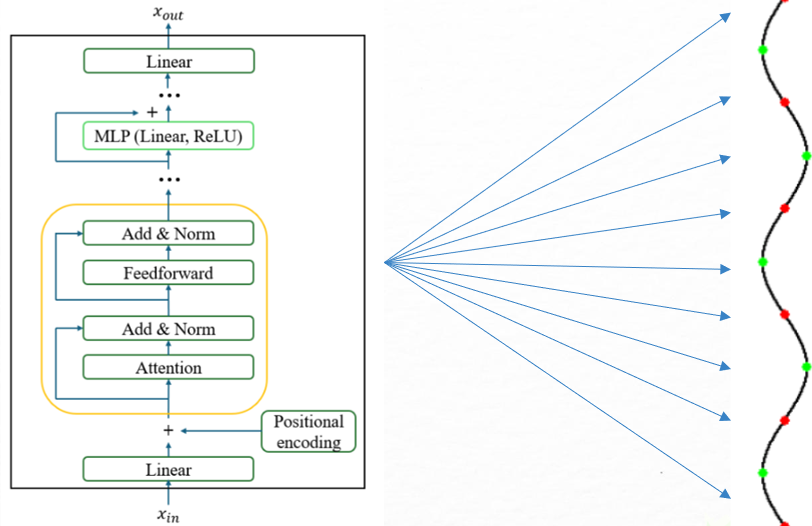 Deep learning vortex-induced vibrations: Time-space forecasting with transformersJournal of Fluids and Structures, 2025
 -
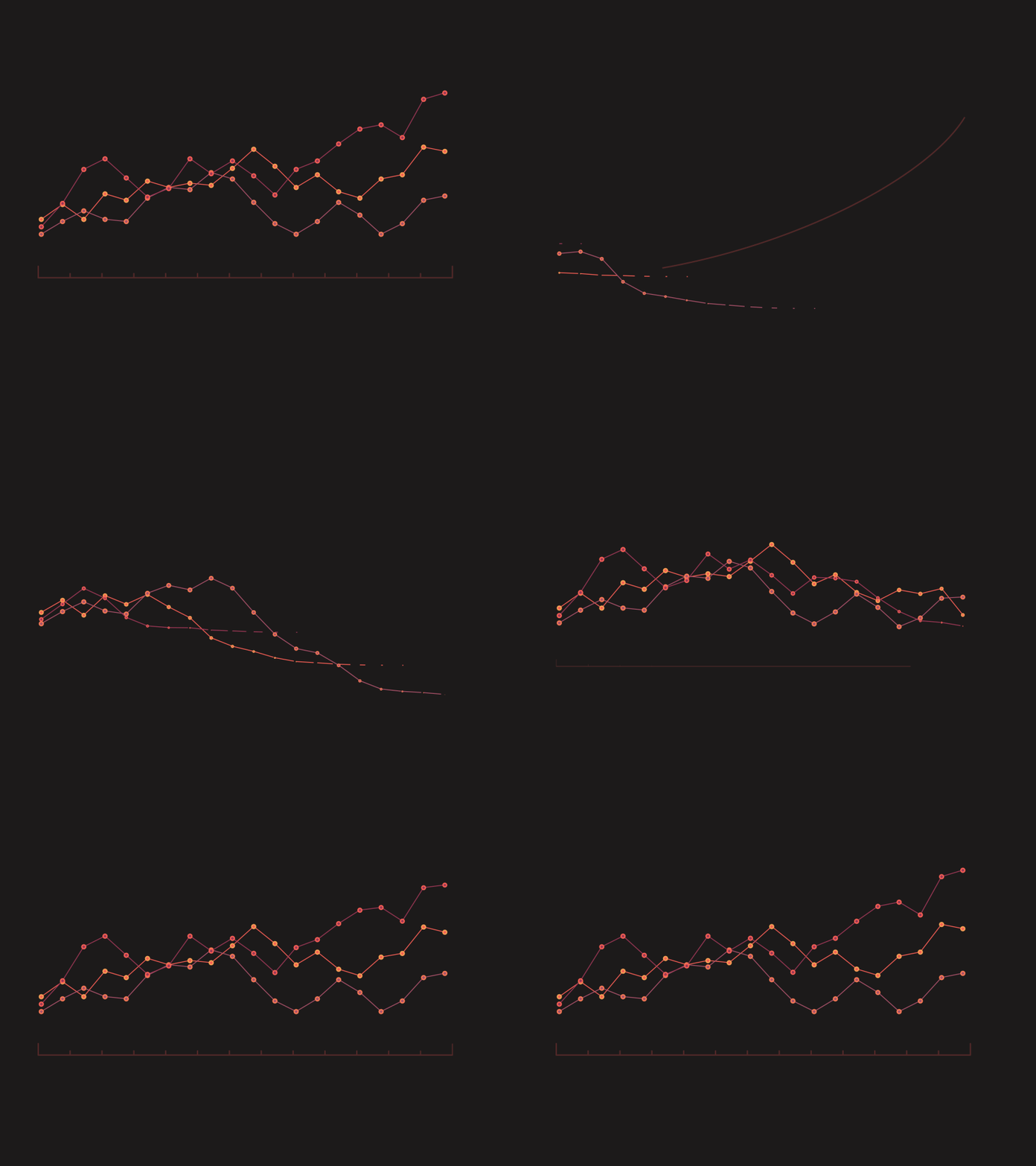 Variational autoencoders and transformers for multivariate time-series generative modeling and forecasting: Applications to vortex-induced vibrationsOcean Engineering, 2024
 -
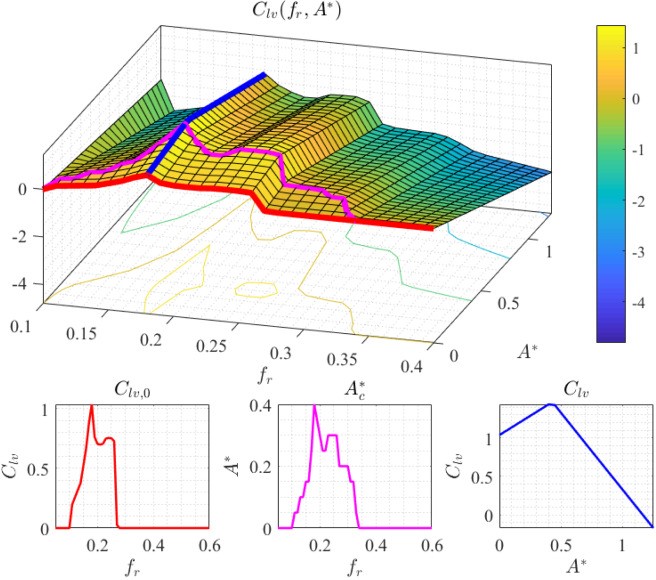 Data-driven prediction and study of vortex induced vibrations by leveraging hydrodynamic coefficient databases learned from sparse sensorsOcean Engineering, 2022


